




Why Watching K-Dramas Makes You Crave Ramyun: The Power of the 'Mukbang Effect'
From the Dalgona candy in 'Squid Game' to the fried chicken in 'Crash Landing on You,' the food in K-content is taking the world by storm. We dive into the 'Mukbang Effect,' and reveal the most recent, groundbreaking example of this phenomenon in action.
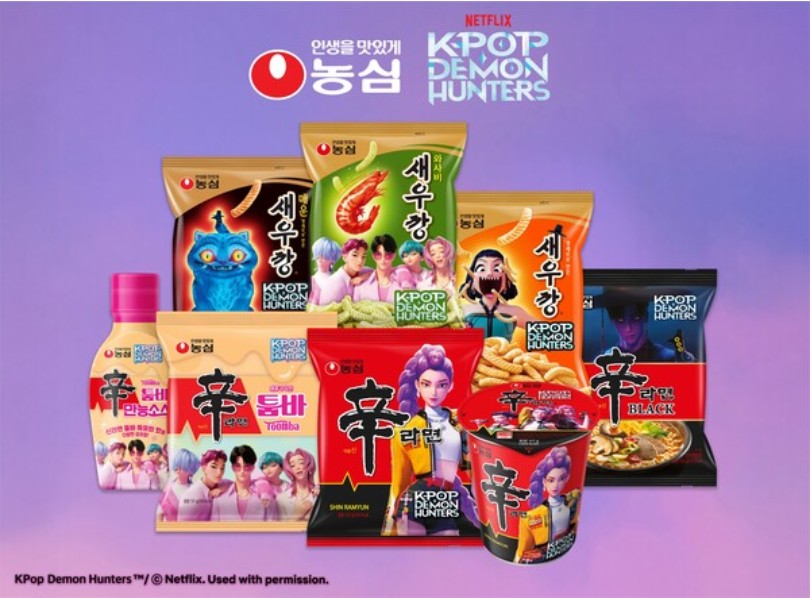
Have you ever been watching a K-drama late at night, only to find yourself inexplicably walking to the kitchen, suddenly possessed by an overwhelming urge for instant noodles? Or perhaps you’ve finished an episode and immediately started searching for the nearest Korean BBQ restaurant. If so, you’re not alone. This is the **'Mukbang Effect'** in action—a powerful cultural phenomenon where food on screen transcends its role as a mere prop and becomes a global craving.
As Korean content continues its global domination, the food featured within these stories has become a cultural ambassador, introducing millions to the flavors and comforts of the Korean dining table. But how exactly does this work? Why does watching a character slurp down a bowl of ramyun feel so compelling?
The Flavor of Emotion: How K-Content Sells an Experience
The global frenzy for Dalgona candy after 'Squid Game' and the surge in demand for Korean fried chicken thanks to 'Crash Landing on You' are now legendary examples. This phenomenon is driven by a powerful combination of factors that go far beyond simple product placement.
- Emotional Connection: In K-dramas, food is rarely just food. It’s a vehicle for emotion. It’s the comfort a character seeks after a heartbreaking day, the centerpiece of a joyful celebration with friends, or the catalyst for a budding romance. When we see characters we love find solace in a meal, we form an emotional link to that food, associating it with feelings of warmth, comfort, and connection.
- Cultural Curiosity: For a global audience, K-content offers an authentic window into everyday life in Korea. The casual way characters enjoy tteokbokki from a street vendor or gather for a sizzling samgyeopsal dinner sparks a natural curiosity. It makes viewers want to participate in that culture, and the most accessible way to do that is through its food.
- Sensory Masterclass: Let's be honest: Korean filmmakers are masters at food cinematography. The close-up shots of steam rising from a rich stew, the satisfying sizzle of meat on a grill, and the sound of noodles being slurped are all designed to trigger a multi-sensory response. It’s a visual and auditory feast that makes our stomachs rumble, no matter how full we are.
The Ultimate Case Study: When Fandom Made a Collaboration Happen
There is no better or more recent example of the 'Mukbang Effect's' incredible power than the story behind Netflix's hit animated film, 'K-Pop: Demon Hunters,' and the iconic Korean food company, Nongshim.
In the film, fans instantly recognized the snacks the idol-heroes were eating as real-world products—Shin Ramyun and Saewookkang. The organic, fan-driven buzz grew so large that it led to an official, global collaboration between the two giants. This case perfectly illustrates how audience passion can directly influence the market, turning a cultural moment into a real product. It's a fascinating story of how a fictional universe and a real-world brand became intertwined, all thanks to the fans.
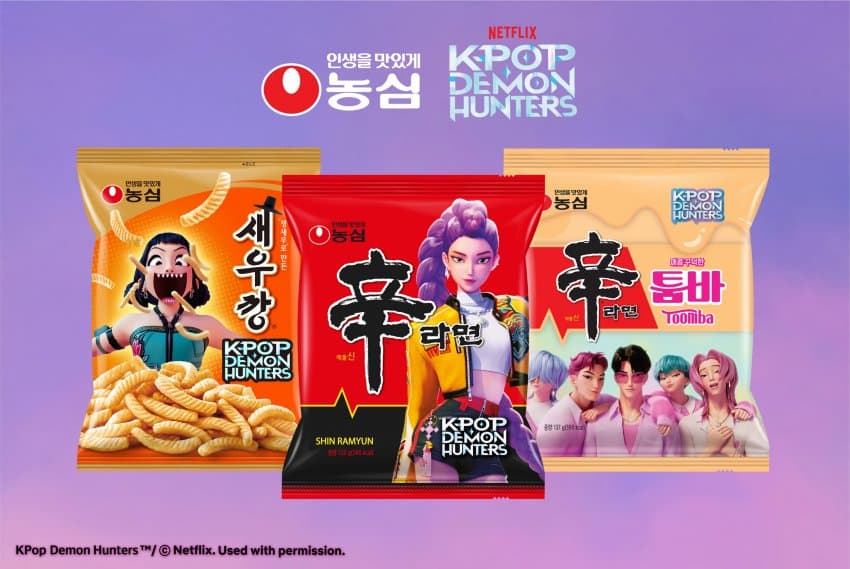
To get the full, in-depth story of this groundbreaking partnership and see what limited-edition products were released, you need to read this.
→ In-Depth Analysis: The Full Story Behind the 'K-Pop: Demon Hunters' x Nongshim Partnership
Bring the K-Drama Experience Home: The Essential Snack List
Feeling inspired to host your own K-drama marathon with authentic snacks? Here is the perfect list of essentials to elevate your viewing experience from simply watching to truly participating.
Please note: This post contains affiliate links. If you make a purchase through these links, I may earn a small commission at no extra cost to you. This helps support the blog and allows me to continue creating content like this!
The K-Drama Classics
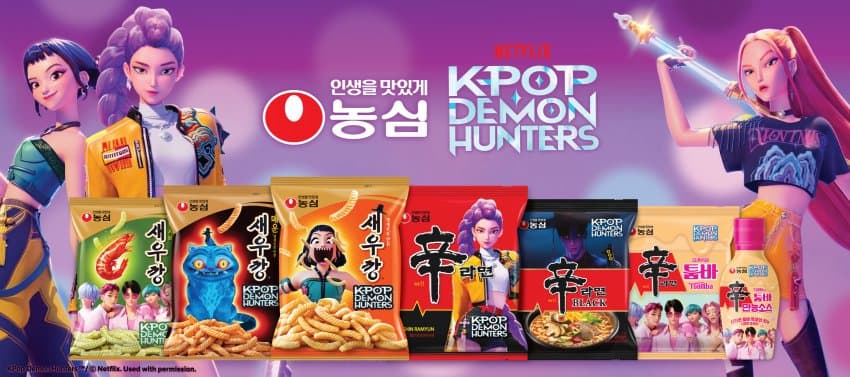
- The Iconic Late-Night Ramyun: Shin Ramyun Noodle Soup Cup — The quintessential spicy, savory noodle soup that appears in countless scenes of late-night work, study, or heartbreak. A true must-have.
- The Can't-Stop-Eating Snack: Nongshim Saewookkang Shrimp Crackers — Light, crispy, and addictively savory. This is the perfect snack for mindless munching during tense plot twists.
- The Modern Fusion Flavor: Shin Ramyun Tteokbokki Rose Sauce — Get a taste of modern Korean food trends with this creamy, spicy, and incredibly versatile sauce. Perfect for elevating pasta or tteokbokki.
Upgrade Your Snack Game
- The Premium Choice: Shin Ramyun Black — For those who want an even richer experience, this premium version features a deep, savory bone broth that adds a whole new layer of deliciousness.
- The Savory, Non-Spicy Icon: Chapagetti Jjajang Noodles — Made famous globally by the movie 'Parasite,' this beloved black bean sauce noodle is a sweet and savory classic, perfect for when you're craving noodles without the heat.
Ultimately, the food in K-content is more than just product placement; it's a vital part of the story and a powerful driver of cultural exchange. The 'Mukbang Effect' will undoubtedly continue to be a major force in the global popularization of K-food. What's the most memorable food you've seen in a K-drama? Share it in the comments below!